
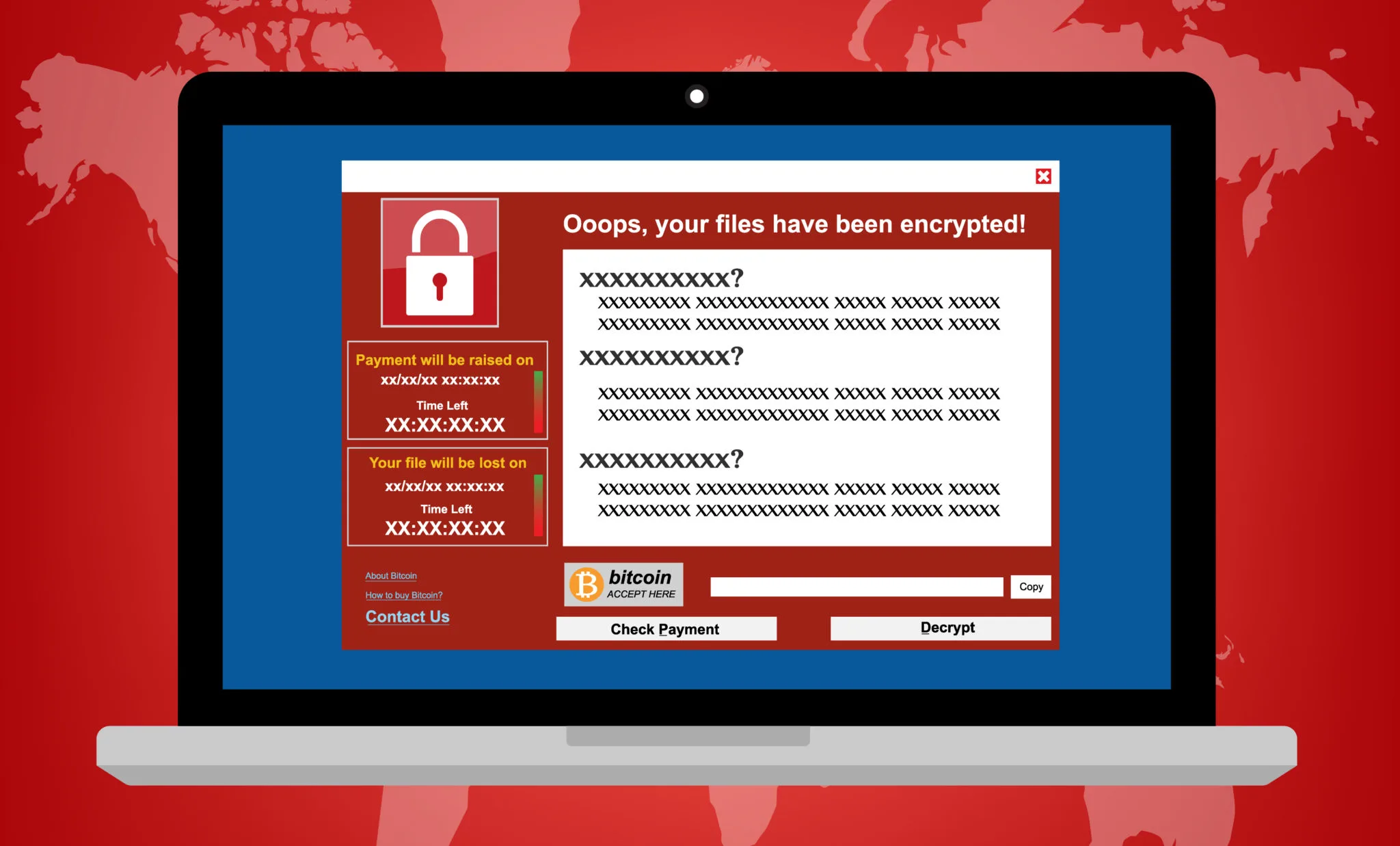
How WannaCry Spread: The EternalBlue Exploit
- Initial Infection: WannaCry initially spread through phishing emails containing malicious attachments. Once a user opened the attachment, the ransomware would execute.
- Worm-like Propagation: Unlike typical ransomware that relies solely on user interaction, WannaCry leveraged the EternalBlue exploit to scan for and infect other vulnerable computers on local networks and across the internet. This allowed it to spread autonomously and rapidly without further user intervention.
- Encryption and Ransom Demand: Upon successful infection, WannaCry encrypted a wide range of files on the victim's computer, appending
.wcry,.wncry, or.wncrytextensions. It then displayed a ransom note demanding payment in Bitcoin, typically $300, within three days, threatening to double the amount or permanently delete the files if the deadline was missed.
Impact and Consequences
- Healthcare Crisis: The UK's National Health Service (NHS) was severely hit, leading to canceled appointments, diverted ambulances, and significant disruption to patient care.
- Industrial Disruption: Factories, particularly those of Renault and Nissan, were forced to halt production.
- Government and Education: Various government agencies and educational institutions worldwide reported infections and operational setbacks.
- Financial Losses: The total economic damage was estimated to be between hundreds of millions to several billion dollars, encompassing ransom payments, recovery costs, and lost productivity.
- Data Loss: Many organizations and individuals lost critical data, either due to inability to pay the ransom, non-functional decryption keys, or insufficient backups.
The Accidental "Kill Switch"
Lessons Learned from WannaCry
- Patch Management is Paramount: The attack primarily exploited a vulnerability for which a patch had been released by Microsoft months prior. The failure to apply timely updates was a major contributing factor to its widespread success.
- Robust Backup Strategies are Essential: Organizations with comprehensive and regularly tested backup and recovery plans were able to restore their systems without paying the ransom.
- Network Segmentation is Critical: Proper network segmentation could have limited the lateral movement of the worm, containing the infection to smaller parts of an organization's network.
- The Danger of Leaked Exploits: The use of state-sponsored exploits in the wild highlighted the risks associated with governments hoarding vulnerabilities.
- Global Collaboration is Key: The rapid response from cybersecurity researchers and organizations worldwide was crucial in understanding and mitigating the threat.
Prevention and Mitigation Strategies
- Keep Systems Patched and Updated: Regularly apply security updates for operating systems and all software.
- Implement Strong Backup and Recovery: Maintain offline, encrypted backups of all critical data and regularly test recovery procedures.
- Employ Network Segmentation: Divide networks into smaller, isolated segments to limit the spread of malware.
- Use Endpoint Protection: Deploy robust antivirus and Endpoint Detection and Response (EDR) solutions.
- Educate Users: Conduct regular security awareness training to help users identify and avoid phishing attempts.
- Disable SMBv1: If not strictly necessary, disable the SMBv1 protocol, which was exploited by EternalBlue.
WannaCry was a wake-up call, demonstrating that even well-established organizations can be brought to their knees by a rapidly spreading threat. Continuous vigilance, proactive defense, and a strong incident response plan are not optional, but fundamental to digital survival.